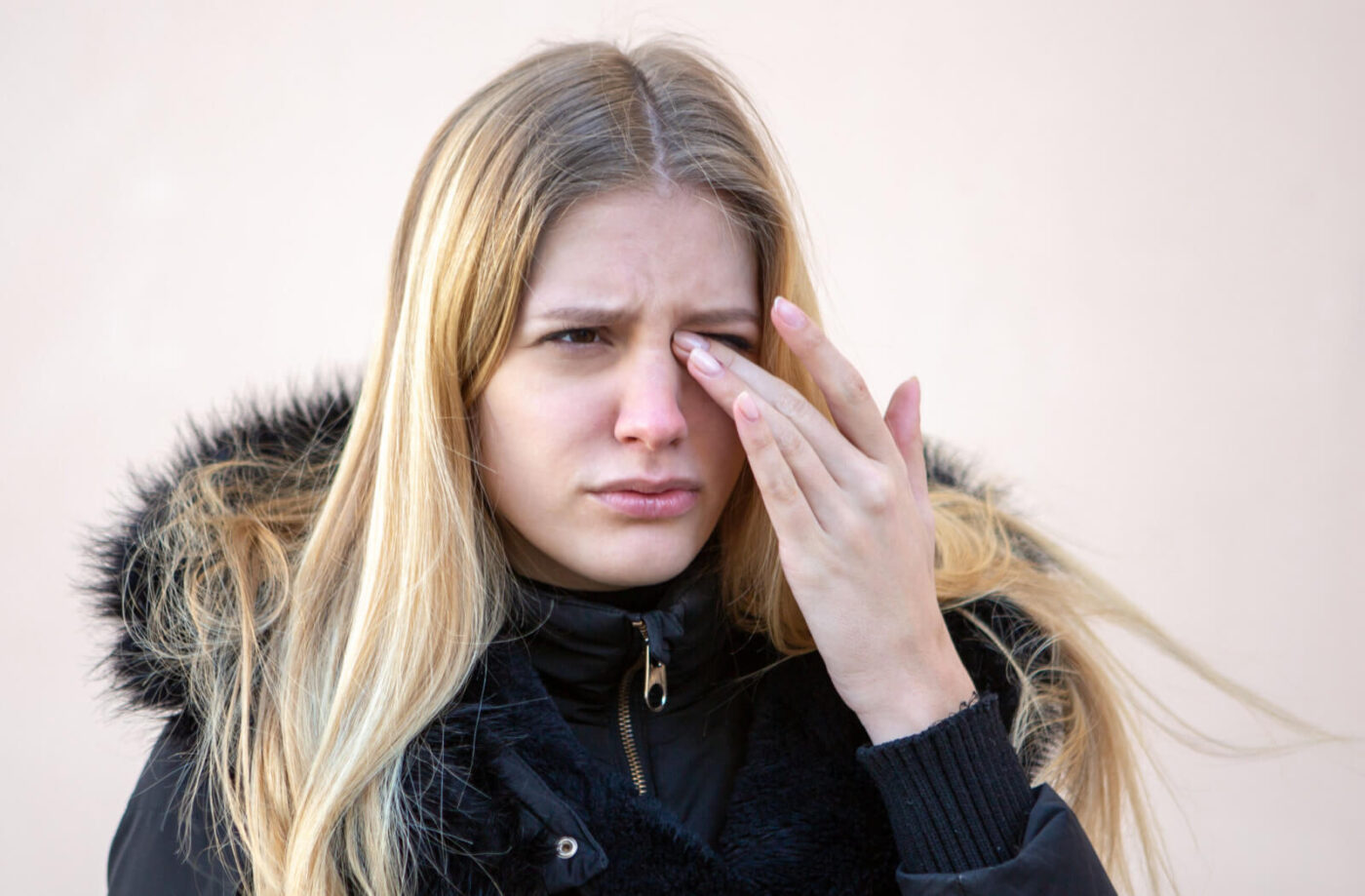
Colder temperatures and lower humidity levels can significantly affect your eye comfort, particularly if you wear contact lenses. During winter months, many patients notice increased dryness, irritation, and fluctuating vision.
Understanding why this occurs can help you protect your eyes and explore long-term solutions if seasonal discomfort becomes a recurring issue.
Considering LASIK as a Long-Term Alternative
For patients whose dry eye symptoms are exacerbated by contact lens wear, LASIK may offer an alternative to daily lens use.
By eliminating the need for contact lenses, LASIK removes a common contributor to surface irritation. At The LASIK Vision Institute, every patient undergoes a free, comprehensive eye evaluation that includes advanced diagnostic testing to assess overall eye health and tear film stability.
If dry eye is identified during your evaluation, your doctor will discuss appropriate management options and determine whether LASIK is right for you.
Modern LASIK technology allows for precise, personalized treatment planning. While temporary dryness can occur during healing, many former contact lens wearers experience improved overall comfort once they are no longer dependent on lenses.
How Winter Air Impacts Your Eyes
Winter air naturally contains less moisture than warmer seasonal air. In addition, indoor heating systems further reduce humidity levels. As a result, the tear film — the thin layer of moisture that protects the surface of your eye — can evaporate more quickly.
When tear production and evaporation are imbalanced, symptoms of dry eye may develop, including:
- Burning or stinging sensations
- Redness
- Blurred or fluctuating vision
- Light sensitivity
- A gritty or foreign-body sensation
For contact lens wearers, these symptoms may be more pronounced.
Why Contact Lenses Can Worsen Dryness
Contact lenses depend on a stable tear film to remain comfortable. When the eyes are already dry, lenses can:
- Disrupt the natural tear layer
- Increase surface friction
- Contribute to redness and irritation
- Shorten comfortable wear time
- Cause inconsistent visual clarity
Many patients find they need to use lubricating drops more frequently or remove their lenses earlier in the day during winter months.
If dryness is persistent, it may impact your ability to comfortably continue wearing contact lenses.
Steps to Reduce Winter Eye Irritation
If you wear contact lenses, the following strategies may help improve comfort during colder months:
- Use preservative-free artificial tears recommended by your eye care provider
- Maintain proper hydration to support natural tear production
- Add a humidifier to indoor spaces to improve air moisture levels
- Adjust airflow in vehicles and homes to prevent direct heat exposure to the eyes
- Limit contact lens wear time if irritation increases
While these measures can provide relief, they do not address contact lens–related dryness itself.
Protecting Your Eyes During Winter Activities
Wind and ultraviolet (UV) exposure can further increase irritation. Protective eyewear that blocks 100% of UVA and UVB rays is recommended year-round, particularly when snow reflects sunlight and intensifies glare.
Taking preventive steps can help minimize seasonal discomfort.
Schedule a FREE LASIK Consultation
If winter dryness and contact lens discomfort are affecting your daily routine, a FREE LASIK consultation at The LASIK Vision Institute can help determine whether you are a candidate.
Our experienced surgeons and clinical team will evaluate your vision, review your eye health, and answer your questions so you can make an informed decision about your options.
Clearer vision may begin with a simple conversation.
Categories: