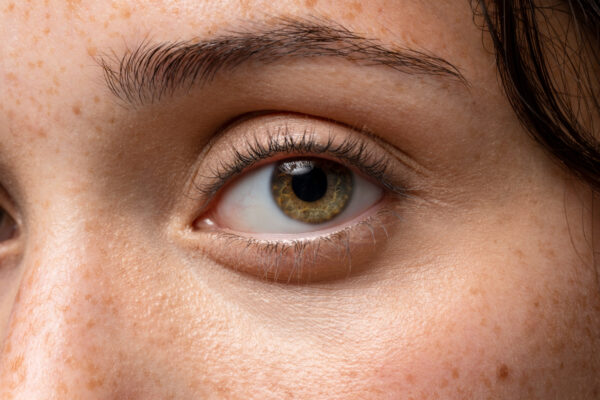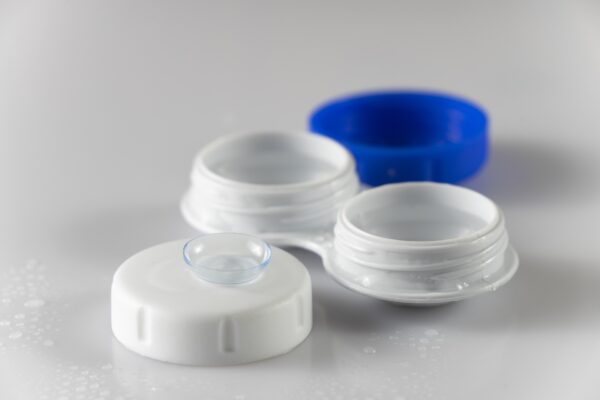
Los ojos secos no son divertidos: pican, arden y se llenan de lágrimas. Son un posible efecto secundario de la cirugía LASIK, pero generalmente desaparecen dentro del primer año de recuperación. Algunos expertos han estimado que hasta 8 de cada 10 pacientes de LASIK se ocupan de algunos síntomas de ojo seco en las semanas posteriores a sus procedimientos.
Did You Know?
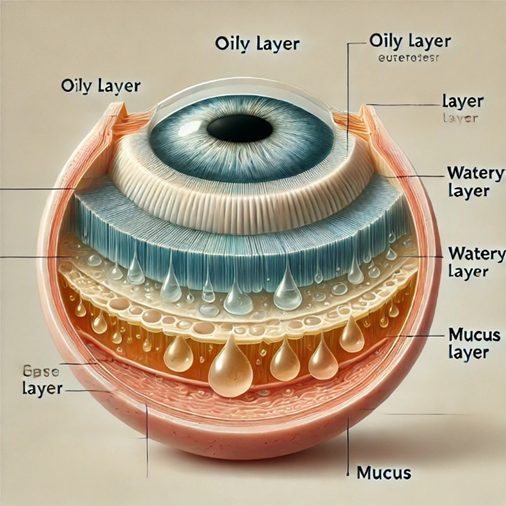
Our tears have 3 layers – Oily, Watery & Mucus layer – that play a key role in good vision.
Tears and Their Role
Our tears play a huge role in our vision.
- Tears consist of three layers: oily, watery, and mucus. These layers help maintain a smooth eye surface, wash away debris, and keep the eye moist, essential for clear vision.
- Insufficient tear production can cause dry eyes, leading to irritation and discomfort.
It is imperative that we pay attention to our eyes, and we take into consideration all our symptoms when we start to consider refractive options, whether that is glasses, contacts, or a form of LASIK eye surgery.
Dry Eyes: Causes and Symptoms

Dry eyes is a symptom where your eyes either don’t produce enough tears, they don’t make the right type of tears, or your tears dry out quickly.
- Causes: Inadequate tear production, poor-quality tears, or rapid tear evaporation as well as other demographic criteria.
- Symptoms: Blurred vision, tiredness, itchiness, redness, burning, excessive tearing, and stinging.
¿Por qué LASIK crea ojos secos temporales?
LASIK is a remarkably safe and effective surgical procedure, one that has only gotten safer over the previous decade. Nevertheless, no surgery is without risks, even if they are relatively uncommon, as is the case with LASIK.
- Pre-LASIK: An estimated 38% and 75% (National Library of Medicine of LASIK candidates already have dry eyes, often due to contact lens intolerance.
With LASIK, the reason why someone can experience dry eyes post-surgery is due to how the surgery is performed: LASIK alters the shape of your cornea, through the creation of a corneal flap, which in turn affects the tear film due to the flap creating temporary damage to the corneal nerve.
- Post-LASIK: Up to 95% of patients experience temporary dry eye symptoms due to the procedure’s impact on corneal nerves.
- According to an FDA led study
- For those who reported having dry eye symptoms before LASIK, nearly 60 percent reported their symptoms resolved after having LASIK.
- Less than 30 percent of patients with no symptoms before LASIK reported having dry eye symptoms after LASIK. The majority – 85 percent – reported the symptoms were mild.
- Regardless of whether or not they had dry eye symptoms before LASIK, patients reporting dry eye symptoms after LASIK continued to see improvement in their symptoms over time.
- According to an FDA led study
- Good News:
- Symptoms usually improve within 3-12 months with proper care.
- PRK (Photorefractive Keratectomy) may be a better option for individuals prone to dry eyes.
Treatment for Dry Eyes
Los ojos secos se pueden tratar de varias maneras. Su doctor puede sugerir gotas de lágrima artificial sin conservantes. Si sufre de queratoconjuntivitis seca, o síndrome de ojo seco, las gotas oftalmológicas de ciclosporina tópica prescrita pueden ofrecer alivio adicional. Incluso parpadear más frecuentemente mientras está en la computadora puede ayudar con los ojos secos en las semanas posteriores a un procedimiento LASIK.
Algunas personas tienen ojos secos antes de someterse a LASIK. Es importante que estas personas le informen a sus cirujanos sobre esta condición antes de someterse a una cirugía de láser ocular. A menudo, un cirujano LASIK querrá tratar un caso de ojo seco antes de realizar el procedimiento.
- Artificial Tears: Available over the counter with or without preservatives.
- Punctal Plugs: Inserts that prevent tear drainage.
- Prescription Eye Drops: Stimulate natural tear production.
- Humidifiers: Add moisture to the air, especially in dry environments.
- Omega-3 Fatty Acids: Reduce inflammation and support eye health.
LASIK Candidacy and Management
Identifying patients at risk for severe post-LASIK dry eye is crucial to improve comfort and optimize surgical outcomes.
Proper evaluation, clear communication about symptoms, and personalized treatment plans can significantly reduce dry eye risks and enhance LASIK outcomes. If you are ready to explore the possibility of LASIK eye surgery, schedule your consultation today to see if LASIK is right for you.
Sources:
American Academy of Ophthalmology. (2024). What Is Dry Eye? Symptoms, Causes and Treatment. Retrieved from https://www.aao.org/eye-health/diseases/what-is-dry-eye
American Refractive Surgery Council. (2018). LASIK Dry Eyes: Understanding Dry Eyes After LASIK. Retrieved from https://americanrefractivesurgerycouncil.org/understanding-dry-eye-symptoms-lasik/
LASIK.com. (2024). Am I A Safe Candidate for LASIK? Retrieved from https://www.lasik.com/safe-candidate-lasik/
National Library of Medicine. (2011). Post-LASIK dry eye. Retrieved from https://pmc.ncbi.nlm.nih.gov/articles/PMC3235707/#R4
WebMD. (2022). Dry Eye After LASIK. Retrieved from https://www.webmd.com/eye-health/dry-eye-after-lasik
Disclaimer: This information is for general knowledge and informational purposes only and does not constitute medical advice. Consult with a qualified healthcare professional for diagnosis and treatment of any medical conditions.
Categories: