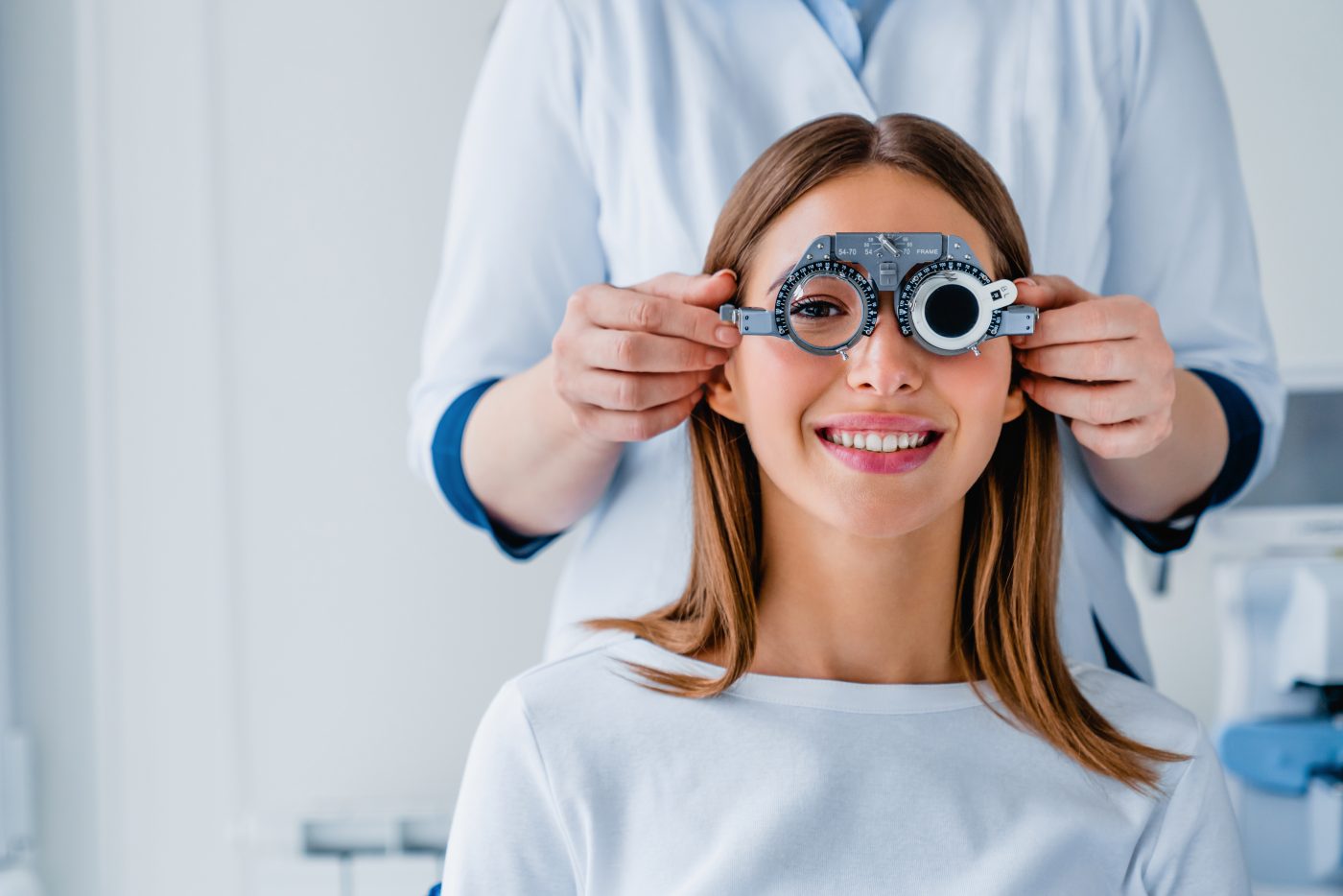
Common Visual Problems
Laser Vision Correction for Common Visual Problems
See how laser vision correction can reduce and/or eliminate your dependence on glasses and contact lenses if you are nearsighted, farsighted or have astigmatism.
It is important to understand your specific vision problem and how laser vision correction can be used to treat it. Your eye shape and cornea are keys to better vision. When light enters the eye it is bent, or refracted, by a clear tissue on the front of the eye called the cornea. The cornea, in effect, acts like a lens to focus incoming light onto the retina on the back of the eye.
Below are the most common eye problems that can be corrected with LASIK
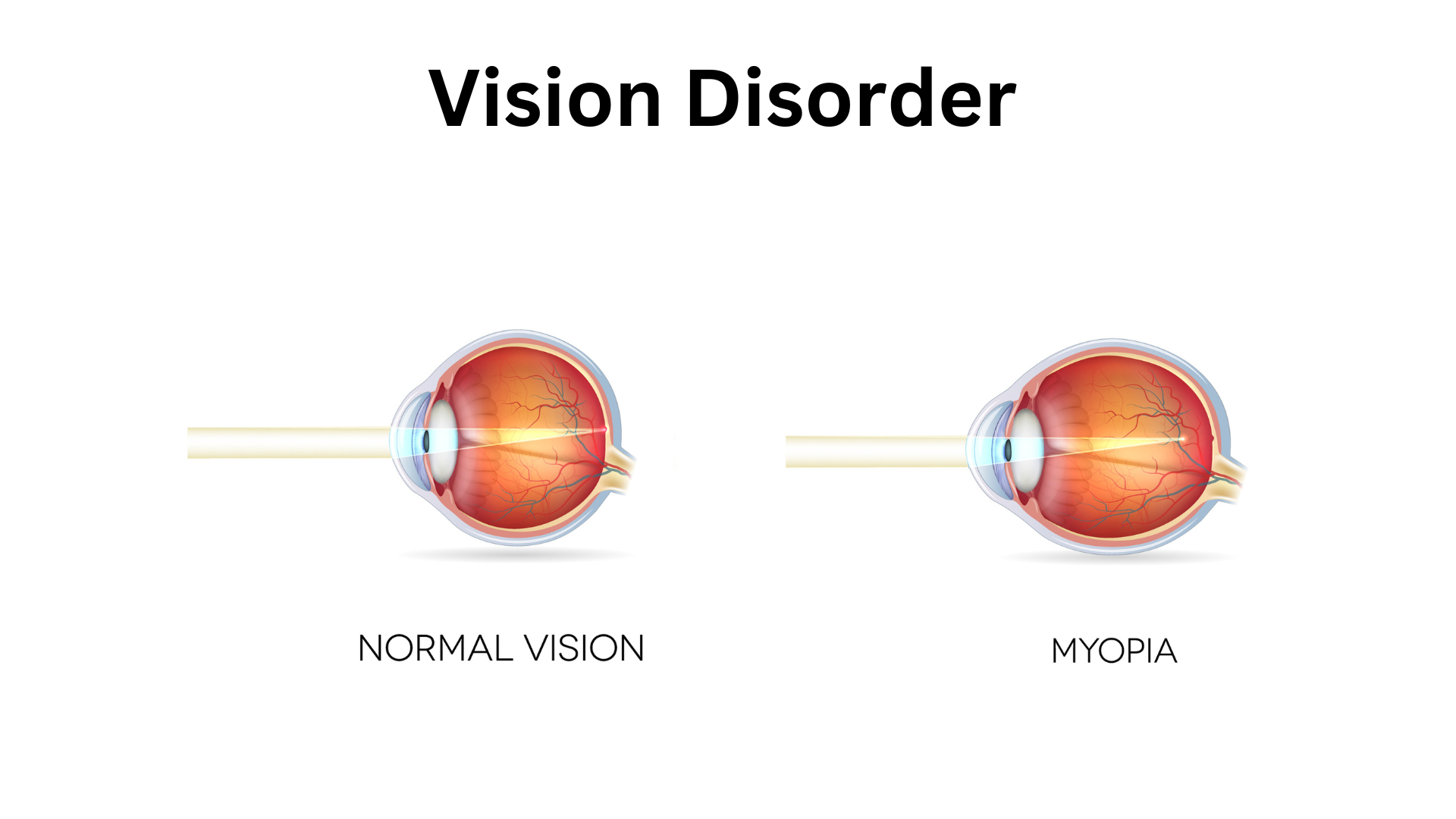
Myopia, or nearsightedness
If you have myopia, or nearsightedness, it is because your eye shape is too long and/or you have an excessively steep cornea. As a result of this, light entering your eyes does not focus on the retina as it should, but instead focuses on images at a point in front of the retina. The result of nearsightedness is that your distant objects appear blurry, while near objects appear clear.
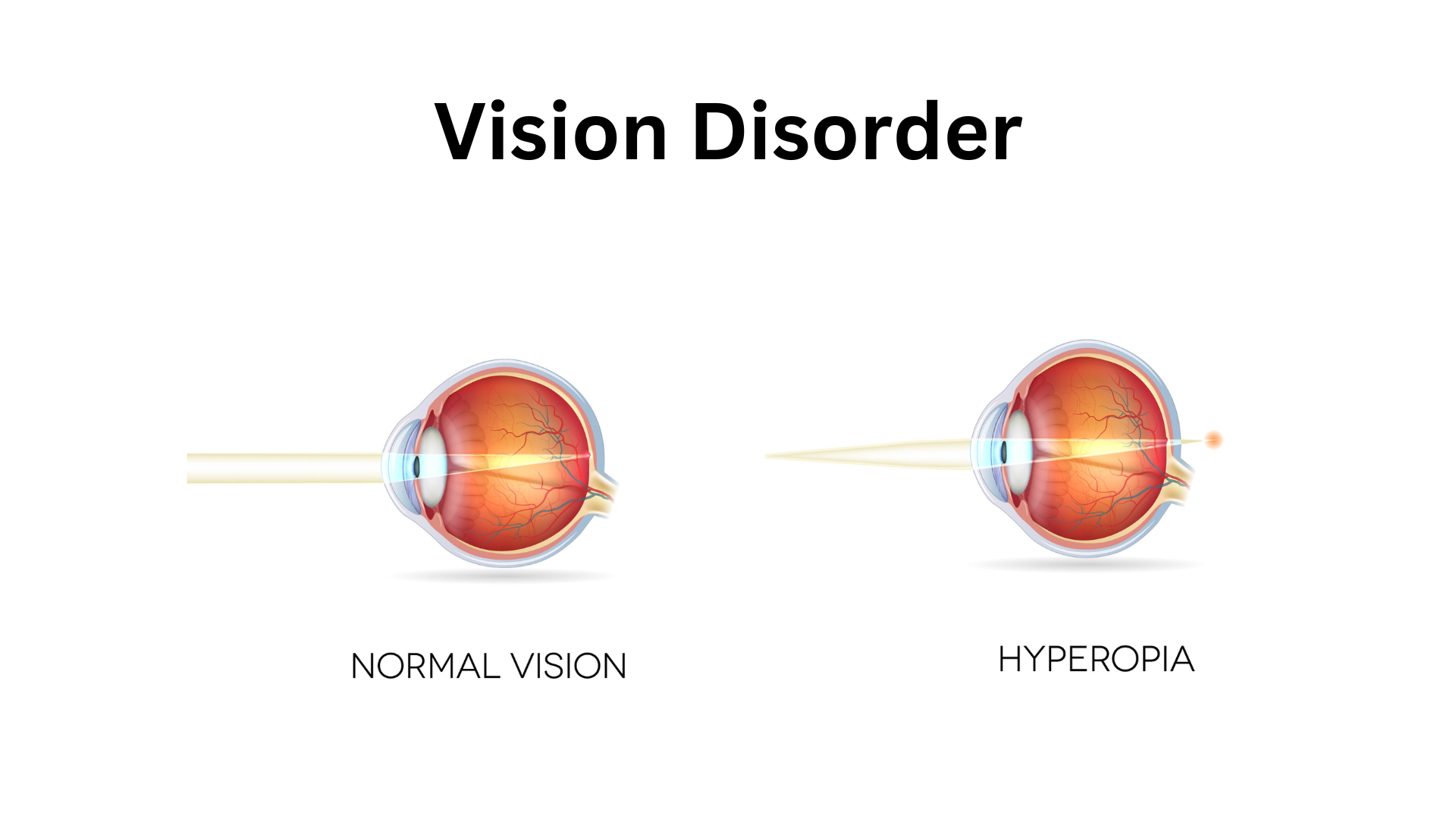
Hyperopia, or farsightedness
If you have hyperopia, or farsightedness, it is because either your eye shape is too short or you have an excessively flat cornea. In farsightedness, light entering your eye focuses on images at a point behind the retina. The result of farsightedness is that near objects you are seeing appear blurry, while distant objects appear clear. In some cases, hyperopia may cause blurriness at both distance and near.
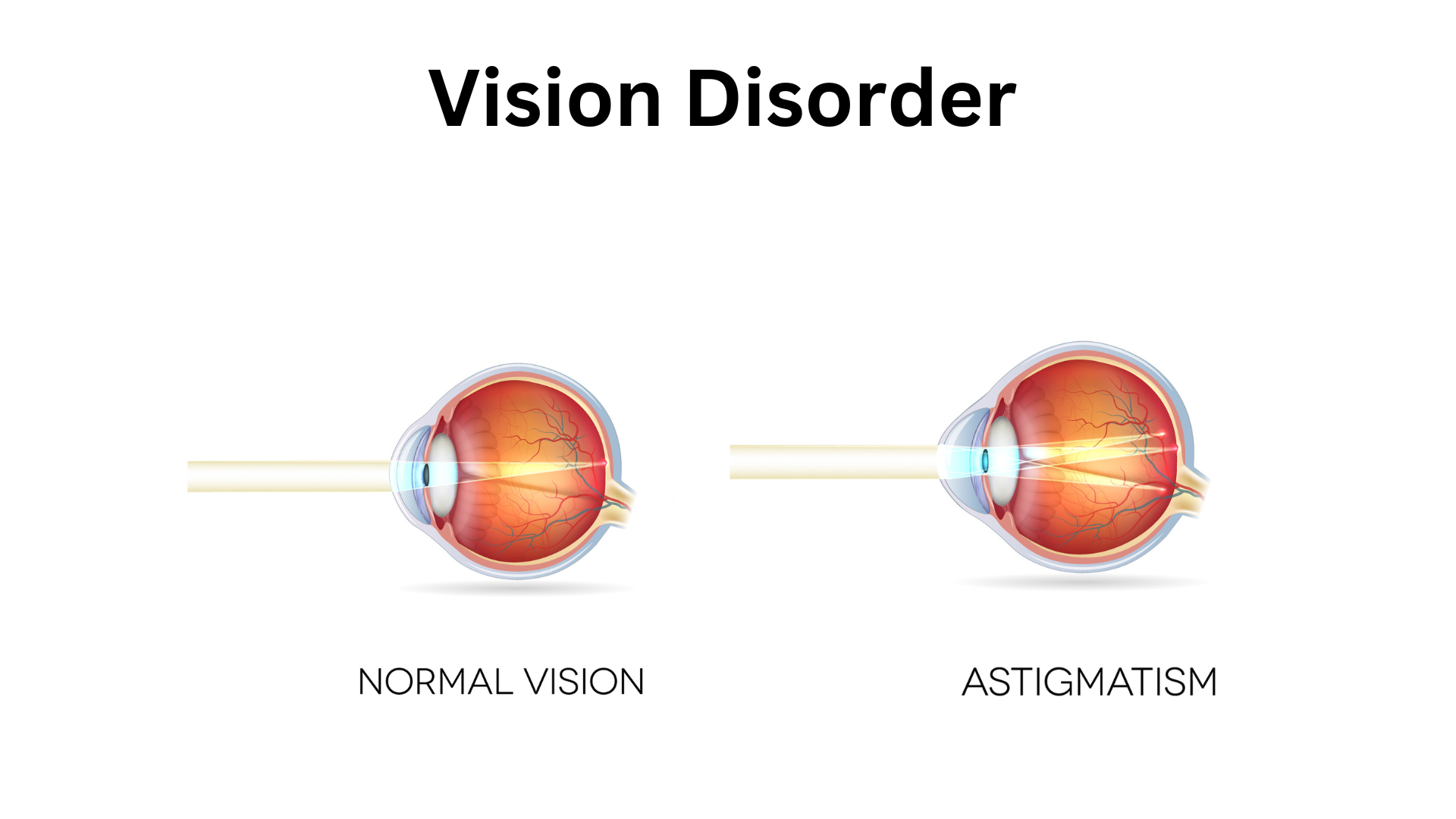
Astigmatism
If you have astigmatism it is because you have a cornea that is not spherical or basketball-shaped as is a normal eye, but your cornea is typically shaped more like a football. The result of astigmatism is that the objects you are viewing are not focused into a single image and vision is distorted or blurry. Astigmatism can be present alone or in addition to nearsightedness or farsightedness.
Presbyopia
If you have presbyopia, it is because you have the inability to focus on objects up close. This occurs normally with age and usually becomes apparent to people in their forties. Presbyopia results from a change within the eye in which the internal lens loses its ability to focus on close-up objects. Although laser vision correction dramatically improves distance vision, most people will still need glasses for close-up activities particularly as they get older. Treatments for presbyopia include reading glasses and multifocal lenses. Surgical remedies for presbyopia such as monovision LASIK are available for qualified candidates. Talk to one of our surgeons regarding options for correcting presbyopia at the time of your eye exam.
Let us learn about your vision correction needs and answer your specific questions.

Find a LASIK Surgery Location Near You
We’re located nationwide – it’s easy to find a LASIK Vision Center near you.